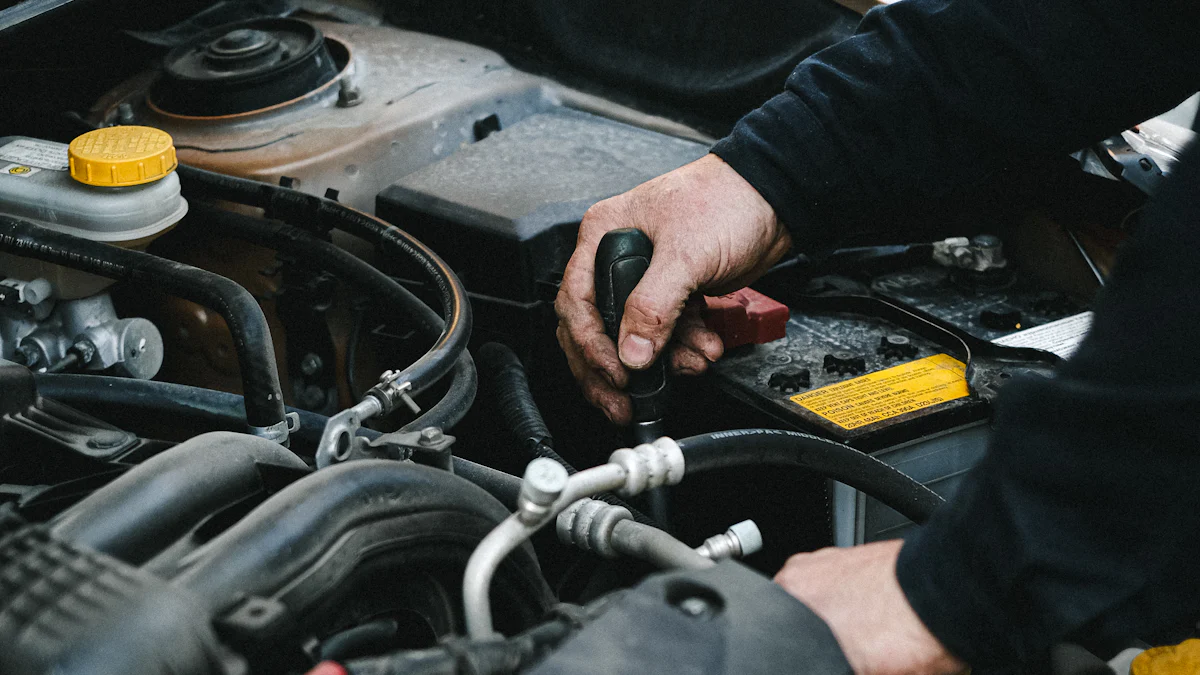
Addressing engine oil cooler line leaks promptly is crucial to prevent severe engine damage. You might notice oil spots under your vehicle or receive a low oil pressure warning. These signs indicate potential leaks in the engine oil cooler line. Identifying and repairing these leaks ensures your engine remains in optimal condition. Regular checks and timely repairs can save you from costly engine repairs and maintain your vehicle’s performance.
Identifying the Engine Oil Cooler Line Leak
Recognizing Leak Symptoms
When you suspect a problem with your engine oil cooler line, look for specific symptoms. These signs help you determine if there is indeed a leak.
Oil spots under the vehicle
Check the ground where you park your vehicle. If you notice oil spots, it could indicate a leak in the engine oil cooler line. These spots often appear as dark patches on the pavement. Regularly inspecting the area beneath your vehicle can help you catch leaks early.
Low oil levels or oil pressure warning
Monitor your vehicle’s oil levels. A sudden drop might suggest a leak. Additionally, pay attention to your dashboard. If the oil pressure warning light illuminates, it could mean the engine oil cooler line is compromised. Addressing these warnings promptly can prevent further damage.
Confirming Leak Location
Once you recognize the symptoms, the next step is to confirm the exact location of the leak. This ensures you address the right issue.
Visual inspection of oil cooler lines
Begin by visually inspecting the engine oil cooler line. Look for any visible cracks or damage. Check the connections and fittings for signs of wear. A thorough visual inspection can often reveal the source of the leak.
Using a UV dye and light for detection
For a more precise detection method, use a UV dye. Add the dye to your engine oil and run the engine for a short period. Then, use a UV light to inspect the oil cooler lines. The dye will glow under the light, highlighting the leak’s location. This method provides a clear indication of where repairs are needed.
Preparing for Engine Oil Cooler Line Repair
Before you begin repairing the engine oil cooler line, gather all necessary tools and materials. This preparation ensures a smooth and efficient repair process.
Gathering Tools and Materials
To effectively repair the engine oil cooler line, you need specific tools and materials. Having these items on hand will make the task more manageable.
Wrenches, screwdrivers, and replacement parts
Start by collecting essential tools like wrenches and screwdrivers. These tools help you remove and replace components of the engine oil cooler line. Ensure you have the correct replacement parts ready. This includes new oil cooler lines and any necessary fittings. Having everything prepared reduces downtime during the repair.
Safety gear and cleaning supplies
Safety should always be a priority. Wear appropriate safety gear, such as gloves and goggles, to protect yourself from oil and debris. Additionally, gather cleaning supplies. Use these to clean the area around the leak before starting the repair. A clean workspace helps you work more efficiently and prevents contamination.
Ensuring Safety Precautions
Taking safety precautions is crucial when working on your vehicle. These steps protect both you and your vehicle during the repair process.
Disconnecting the battery
Before you start, disconnect the vehicle’s battery. This step prevents accidental electrical shorts while you work on the engine oil cooler line. It also ensures your safety by eliminating the risk of electric shock.
Allowing the engine to cool
Make sure the engine is cool before you begin the repair. Working on a hot engine can cause burns and other injuries. Allow the vehicle to sit for a while after turning it off. This waiting period ensures the engine and its components are safe to handle.
By following these preparation steps, you set the stage for a successful engine oil cooler line repair. Proper tools, materials, and safety measures ensure the process goes smoothly and effectively.
Engine Oil Cooler Line Repair Process
Removing the Oil Cooler Lines
- Draining the engine oil
Begin by draining the engine oil. Place an oil pan under the vehicle to catch the oil. Use a wrench to remove the oil drain plug. Allow all the oil to drain completely. This step prevents oil spills during the repair process.
- Detaching the lines from the engine and cooler
Next, locate the engine oil cooler line connections. Use a wrench to loosen and remove the fittings. Carefully detach the lines from both the engine and the cooler. Handle the lines gently to avoid damaging other components.
Replacing Faulty Components
- Inspecting and replacing o-rings
Examine the o-rings on the engine oil cooler line. Look for signs of wear or damage. Replace any faulty o-rings with new ones. Properly functioning o-rings ensure a tight seal and prevent future leaks.
- Installing new oil cooler lines
Install the new engine oil cooler lines. Align them correctly with the engine and cooler connections. Secure the lines using the appropriate fittings. Ensure each connection is tight to prevent leaks.
Reassembly and Leak Testing
- Reattaching lines and securing connections
Reattach the engine oil cooler lines to the engine and cooler. Use a wrench to tighten the fittings securely. Double-check each connection to ensure they are properly secured. This step is crucial for preventing leaks.
- Refilling engine oil and checking for leaks
Refill the engine with the appropriate amount of oil. Start the engine and let it run for a few minutes. Check for any signs of leaks around the engine oil cooler line. If no leaks are present, the repair is successful.
By following these steps, you can effectively repair the engine oil cooler line. Regular maintenance and inspections help prevent future leaks and maintain your vehicle’s performance.
You have now learned how to fix engine oil cooler line leaks effectively. Regularly check for leaks to ensure your engine stays in top condition. Routine maintenance plays a crucial role in preventing future leaks. By following these steps, you can maintain your engine’s health and avoid costly repairs. Remember, taking action early saves you time and money. Keep your vehicle running smoothly by staying vigilant and proactive.
Post time: Dec-31-2025